
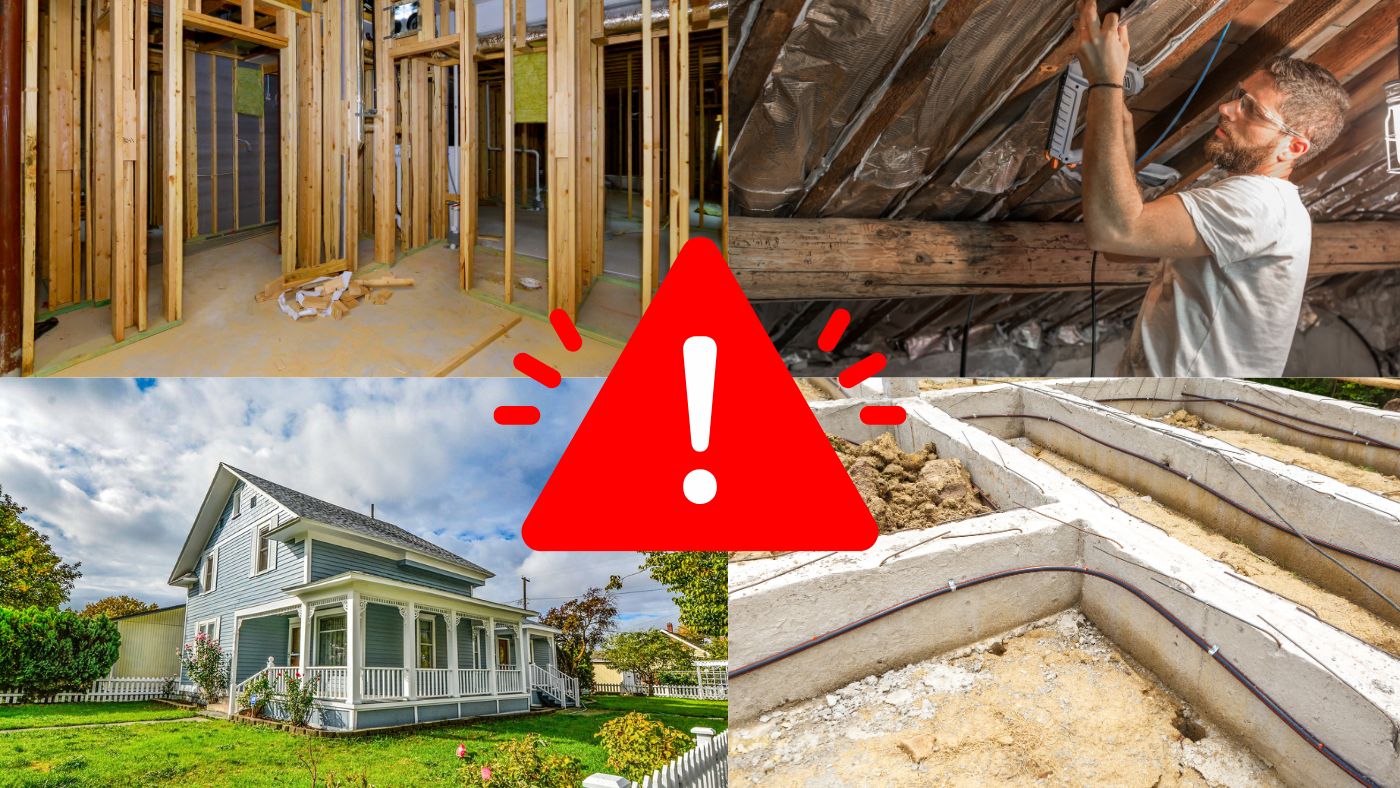
 Radon is a colorless, odorless substance produced by the decomposition of uranium present in soil and rocks. It's the second most common cause of lung cancer and may significantly harm human health. All homes contain radon, but some are more prone to higher levels than others. The homes in Omaha that contain the most radon will be examined in greater detail in this article. Read on to learn more. What Types of Homes in Omaha Have the Most Radon?Below are a few types of homes in Omaha with high levels of radon: Homes with BasementsBecause they are frequently used as living spaces, basements can expose people to high levels of radon gas. This is due to the ease with which radon can enter basements through the soil, foundational fractures, and spaces around pipes and other openings. Homes with unfinished basements run the danger of having high radon levels as a result of possible inadequate sealing. Homes with Crawl SpacesHigh levels of radon in Omaha might also come from vented or sealed crawl areas. Radon can infiltrate crawl spaces through the ground and foundation cracks, just like in basements. Furthermore, radon levels in crawl spaces may rise due to frequent poor ventilation. Homes Built on Bedrock or GraniteHomes constructed on granite or bedrock are more likely to have high radon levels due to the increased uranium content of these types of rocks. Radon gas is released into the soil and air around when uranium decays. Homes constructed on these rock formations are consequently more vulnerable to high radon levels. Homes in Areas with High Radon LevelsRadon concentrations can differ from place to place, with some having higher concentrations of radon than others. Omaha is situated in a region where radon levels are known to be greater, making homes more vulnerable to high radon levels. Homes with Slab-On-Grade FoundationsRadon levels in homes with slab-on-grade foundations can be very high. This is because certain foundation types contain a lot of cracks and gaps around pipes that allow radon to enter the house. Protect Your Family's Health: Take Radon Test for Any Home TypeNo matter what kind of house you reside in, you should get radon evaluation done. A do-it-yourself testing kit or a professional testing service are also options for testing. A radon mitigation system must be installed at lower levels if high radon levels are found. Radon gas is redirected from below the house and released outside via mitigation devices, which lowers the level of radon gas inside the house. ConclusionAll homes are susceptible to high radon levels, but some are more vulnerable than others. Homes with crawl spaces, basements, bedrock foundations, granite construction, high radon locations, and slab-on-grade foundations are all at risk. To protect your family's health, it is crucial to have your home radon tested and install a mitigation system if high levels are found. FAQsAre newer homes less likely to have high radon levels?Certainly not! Radon levels in a property have nothing to do with its age. No matter how old a house is, radon can still penetrate it. Can homes in areas with low radon levels still have high levels of radon?High radon levels can exist even in regions with low average radon levels. No matter where you live, you should get a radon test done on your house. Can high levels of radon be reduced in any type of home?High radon levels can be decreased in any structure by installing a suitable mitigation system. You should have a professional inspect your home and install a mitigation system if necessary. Are certain types of home foundations more resistant to radon than others?Radon is not selective and can penetrate any home foundation. However, radon levels in homes built on sturdy concrete foundations are typically lower than those built on crawl spaces or basements. How frequently should I radon test my house?Every two years, or more frequently, if structural changes have been made to the home or if high levels of radon have been experienced, radon testing is recommended by the EPA. How do I find a professional radon testing and mitigation service in Omaha?You can find certified radon professionals through an internet search or by contacting the radon agency in your state. If you want to make sure your testing and protection measures are effective, use a trained professional.
 Radon is a silent killer responsible for lung cancer, and the levels can fluctuate throughout Omaha, Nebraska, depending on the season. Recognizing when these levels peak can help homeowners take necessary precautions to protect their families. So, what season is radon worst in Omaha? Seasonal Variations in Radon LevelsWinter Radon LevelsThe winter is often when radon levels reach their highest due to multiple factors. The thermal stack effect creates a suction effect that draws in air from below. Temperatures cause pressure within homes to increase, leading to additional seepage of radon into home. Snow cover acts as an obstruction trapping more radon gas underneath, increasing concentration. Tightly sealed homes can also contribute to its accumulation. Spring Radon LevelsAs temperatures warm up and snow begins to melt in spring, soil moisture levels increase, which may contribute to an increase in radon levels; it is essential to remember, however, that radon levels may still be high during this season. Summer Radon LevelsThe summer season tends to experience lower radon levels than other times of the year due to people leaving windows and doors open and allowing air circulation freely. However, this doesn't necessarily mean radon levels cannot rise, particularly in areas with poor ventilation. Fall Radon LevelsAs temperatures begin to cool off and windows close again, radon levels can start rising rapidly in homes that do not provide sufficient ventilation. As such, homes that do not adequately ventilate may see their levels spike rapidly again in autumn. How to Lower Radon Levels in Residential PropertiesRadon exposure can be hazardous to health. High levels can increase lung cancer risk. If your home contains high levels of radon, limit exposure and protect the well-being of yourself and your family by taking steps such as air filter replacements to lower exposure.
Regular Radon Testing: Regular radon testing is vital to keeping radon levels within your home at acceptable levels, mainly if there have been changes to its foundation or ventilation system. What time of year are radon levels highest? Testing should occur every two years to detect changes that might impact this. ConclusionRadon levels in Omaha vary with each season. Winter tends to bring higher radon concentrations due to the thermal stack effect, snow cover, and tightly sealed homes. Spring, fall, and summer may all see increased levels. But it's essential to note that radon can still be present throughout any season, so testing for it and taking measures to mitigate high levels is crucial for family health and well-being. If your home contains high radon levels, the first step should be to install a radon mitigation system to lower levels and prevent long-term exposure. Hiring professional services will ensure this mitigation system is installed correctly and effectively. Read about Is a radon mitigation really necessary in Omaha?
 If you've lived in an Omaha, Nebraska home at any time, chances are you're probably worried about radon mitigation. Radon is a poisonous gas that can infiltrate your home and harm those forced to endure its effects daily. Although the EPA has compiled guidelines for safe radon levels in homes, there are a few good options outside of detoxifying your system with a specific device. Suppose you live in one of the 21% of homes with high levels of radon exposure. In that case, the recommended option is installing a mitigation device like an expensive ventilation fan or sealing off your attic with plastic sheeting-but if you want to explore other methods first.  If you've got a dog, one of the best ways to test for radon in your home is to perform a simple experiment. The first thing you'll want to do is to take your dog's food outside immediately after being served. It would be best if you also refrain from bringing it back inside the house again until it's finished. If your home has high radon levels, the dog can detect this and refrain from eating. Therefore, if he's eating inside again after taking his food outside, chances are there is radon present in your home. This method can also work with cats-however, it may be more difficult since they can sometimes be overly finicky about their food. A more scientific way you can utilize with your cat is testing the amount of saliva it produces after the food is ingested. This will indicate if there are any traces of radon present in either your home or your pet's system.  If there is radon present in your home, you have plenty of time to take action and remedy the situation before it becomes a more significant issue. That being said, little can be done if you're not sure where to start; this is where a professional service like OMAHA RADON PROS comes into play. With over 10 years of experience and a commitment to providing you with the best quality radon testing and mitigation services, OMAHA RADON PROS is one of the most trusted names in Omaha-and surrounding areas. When dealing with radon, it's essential to ensure that a professional radon mitigation technician like Omaha Radon Pros is giving you the best possible advice. By contacting them directly, you can access helpful information on radon testing and mitigation services-and receive the best possible advice from their team of professionals. Additionally, if you're a resident of Nebraska, check to see if your home qualifies for a radon tax credit. This EPA program gives homeowners with existing mitigation devices a tax credit during the following year's tax return. Even if you're not currently worried about radon levels in your Omaha home, it could be a good idea to have it tested yearly to be safe. This is especially true if you live in an area near bedrock or near any potential sources of radon, like strip mines or factories. If you're unsure where to start, contacting a professional like Omaha Radon Pros is the best way to ensure that you're taking care of your family's health. Whether you need a radon mitigation inspection or want to explore other options, they've got the necessary experience and knowledge to ensure your home is safe-and can provide several other services. Conclusion The public health effects of radon exposure are well-known and have been studied for decades. According to the EPA, radon is a colourless, odourless, and tasteless gas that comes from the natural breakdown of uranium in the environment. Most homes are exposed to radon levels below their current limits, but when it becomes a problem, it can cause serious health problems for exposed people, such as an increased risk of lung cancer. Radon levels in your home can be measured by having Omaha Radon Pros conduct an inspection and then provide you with a free estimate. It is essential to eliminate sources of radon, like water intrusion from your basement or open spaces around your home, so the gas dissipates quickly. |
|
SERVING OMAHA NE & SURROUNDING AREAS
|
COMPANY INFO
BUSINESS HOURS
Mon-Fri: 7am-7pm Sat & Sun: 9am-5pm OUR SERVICES Radon Mitigation Radon Testing ABOUT US ADDRESS 534 N 72nd St Omaha, NE 68114 402-275-4425 |
CALL US!
402-275-4425 SOCIAL MEDIA
|